Beijing Shan Hu International Technology Co., Ltd. company profile
Products Details
Home > Products >
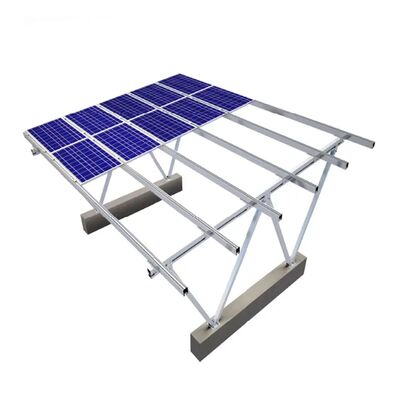
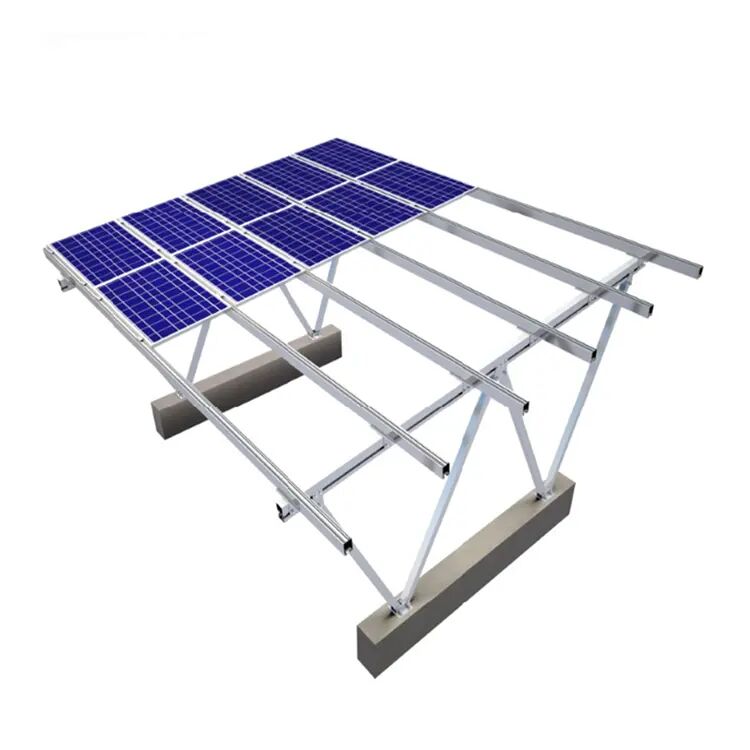
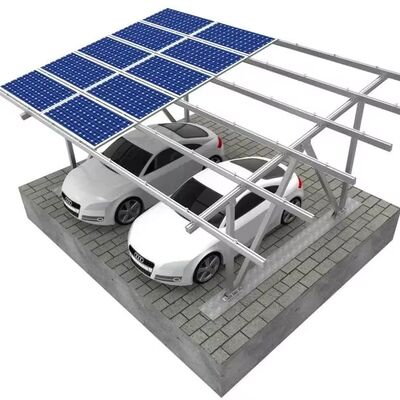
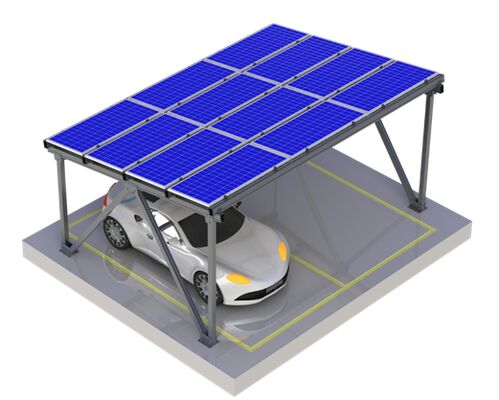
Modular BIPV Mounting System - 115mm Steel Bracket with Prefabricated Frame for Rooftop Solar Shed
  • Modular BIPV Mounting System - 115mm Steel Bracket with Prefabricated Frame for Rooftop Solar Shed
  • Modular BIPV Mounting System - 115mm Steel Bracket with Prefabricated Frame for Rooftop Solar Shed
  • Modular BIPV Mounting System - 115mm Steel Bracket with Prefabricated Frame for Rooftop Solar Shed
  • Modular BIPV Mounting System - 115mm Steel Bracket with Prefabricated Frame for Rooftop Solar Shed
  • Modular BIPV Mounting System - 115mm Steel Bracket with Prefabricated Frame for Rooftop Solar Shed
  • Modular BIPV Mounting System - 115mm Steel Bracket with Prefabricated Frame for Rooftop Solar Shed
  • Modular BIPV Mounting System - 115mm Steel Bracket with Prefabricated Frame for Rooftop Solar Shed
  • Modular BIPV Mounting System - 115mm Steel Bracket with Prefabricated Frame for Rooftop Solar Shed
  • Modular BIPV Mounting System - 115mm Steel Bracket with Prefabricated Frame for Rooftop Solar Shed
  • Modular BIPV Mounting System - 115mm Steel Bracket with Prefabricated Frame for Rooftop Solar Shed

Modular BIPV Mounting System - 115mm Steel Bracket with Prefabricated Frame for Rooftop Solar Shed

System Type: Modular BIPV Mounting System
Main Bracket Size: 115mm (U-shaped Steel Section)
Corrosion Protection: Zinc-Aluminum-Magnesium Coating (30-year Resistance)
Connection Method: Bolted Assembly, No Welding Required
Load Resistance: Designed For Wind & Snow Loads
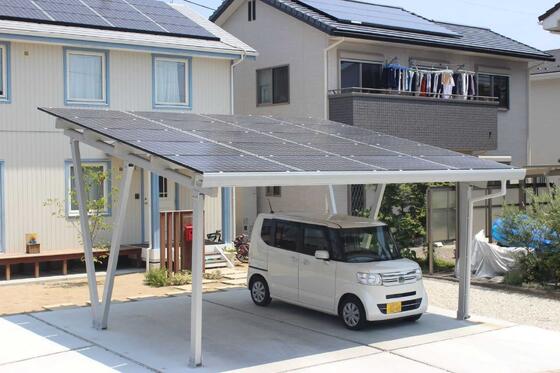
Application Scenarios: Rooftop Solar Shed, Carport, Sunroom, Industrial Shelter
Highlight:

115mm U-shaped steel section Modular BIPV Mounting System

,

Zinc-Aluminum-Magnesium Coating Steel Bracket

,

Bolted Assembly Prefabricated Frame

Download

Product Details

Brand Name:
sangsolar
Model Number:
BIPV-MR115
Minimum Order Quantity:
1 set
Price:
Negotiated
Packaging Details:
Wooden box
Delivery Time:
10-30days
Payment Terms:
T/T
Supply Ability:
1G/Year
Highlight: 

115mm U-shaped steel section Modular BIPV Mounting System

,

Zinc-Aluminum-Magnesium Coating Steel Bracket

,

Bolted Assembly Prefabricated Frame

Product Description

 Modular BIPV Mounting System – 115mm Steel Bracket for Rooftop Solar Structures

Introduction
Our Modular BIPV Mounting System is a high-strength, rapidly deployable steel support structure designed specifically for rooftop photovoltaic installations. Utilizing a prefabricated, building-block design philosophy, the system achieves complete assembly through bolted connections, eliminating the need for on-site welding. This significantly enhances installation efficiency, structural safety, and consistency. It is ideally suited for a variety of applications including commercial & industrial rooftop sheds, solar carports, sunrooms, and more.


Key Features & Benefits

  • Fully Modular Design: Composed of standardized columns, beams, purlins, and bracing components, allowing for flexible configuration and rapid on-site assembly.

  • High-Strength Cold-Formed Steel: Utilizes 115mm U-channel and C-section steel, offering excellent load-bearing capacity while minimizing material weight.

  • Superior Corrosion Protection: Features Zinc-Aluminum-Magnesium (ZAM) coating, providing up to 30 years of corrosion resistance—6 to 15 times better than standard galvanized steel.

  • Integrated Water Management: Includes built-in gutters, water guide strips, and drainage systems, ensuring a weatherproof structure without additional sealing work.

  • Welding-Free Assembly: All connections are made with high-tensile bolts (M10, M12 series), enabling tool-based installation, reducing labor skill requirements, and enhancing construction safety.

  • Wind & Snow Load Optimized: Engineered with bracing systems (cross-braces, knee-braces, tie-beams) to withstand demanding environmental loads.

  • Prefabrication Flexibility: Offers both fully prefabricated columns (custom-cut and drilled) and semi-prefabricated options for on-site adjustment, accommodating various roof conditions and height requirements.


Technology & Design Principles
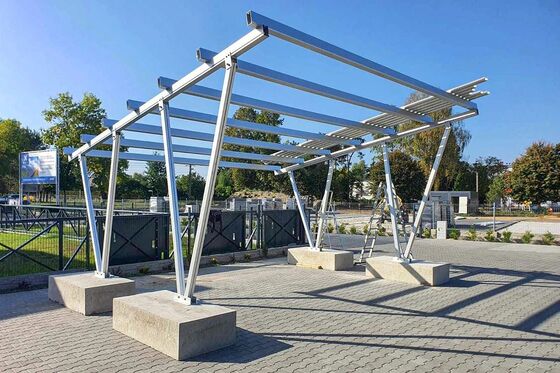
The system employs a bolt-connected space frame structure, where main beams, columns, and purlins form a rigid yet adjustable grid. Key joints—such as column-to-base, beam-to-column, and purlin-to-beam—use pre-punched holes and specialized connectors (cleats, brackets, splice plates) to ensure precise alignment and structural integrity. The design allows for on-site adjustability: purlin cleats feature slotted holes for drainage pitch control, and bracing members can be field-cut from standard 6-meter sections (U4121/U4141) to fit exact dimensions, minimizing waste.


Installation Process Overview

  1. Layout & Base Installation: Set out column grid, install anchor bolts (M12 chemical anchors), and secure adjustable column bases.

  2. Frame Assembly: Erect columns and main beams using M10x25/M10x140 bolts. Install transverse bracing and tie-beams to stabilize the frame.

  3. Purlin & Secondary Structure: Attach purlin cleats to beams, then install purlins. Add longitudinal bracing (knee-braces, struts) as per design.

  4. Waterproofing & Accessories: Install gutters (center/edge), downspouts, water guide strips, and maintenance walkways.

  5. PV Module Mounting: Secure aluminum or ZAM clamping plates and PV module clamps to purlins using M10x25 bolts.

  6. Final Tightening: Once all components and PV modules are positioned, final-torque all bolts to specified values to achieve full structural stiffness.


Application Scenarios

  • Commercial & Industrial Rooftop Sheds: Creates a raised, shaded space over existing roofs, providing roof protection, thermal insulation, and additional usable area.

  • Solar Carports: Modular spans accommodate 1-3 parking bays (6-9m driveways), ideal for parking lots, EV charging stations, and commercial facilities.

  • Residential Sunrooms (BIPV Sunroom): Can be configured as single or double-slope structures for patios, terraces, or balcony enclosures.

  • Agricultural & Logistics Shelters: Cost-effective, quickly deployable coverage for storage, packing areas, or livestock shelter.


Why Choose Our System?

  • Faster Project Completion: Pre-drilled components and bolt-on assembly reduce installation time by up to 60% compared to traditional welded structures.

  • Cost-Effective Material Use: Optimized cold-formed steel sections and efficient cutting plans lower material costs by approximately 15-20%.

  • Design Flexibility & Compatibility: Adaptable to various roof shapes, slopes, and module types. Compatible with most bifacial and monofacial PV panels.

  • Low Maintenance & Long Lifespan: The ZAM coating and robust mechanical connections ensure decades of reliable performance with minimal upkeep.

  • Safe & Scalable Installation: No hot work permits required. The system is easily expandable or reconfigurable for future project modifications.


Frequently Asked Questions (FAQ)

  • Q: What is the typical installation time for a 100kW rooftop shed?
    A: With a crew of 4-5, the structural assembly can be completed in 3-5 days, depending on roof complexity.

  • Q: Can the system be installed on uneven roofs?
    A: Yes. Adjustable column bases and the option for on-site column cutting (semi-prefab) allow for height compensation of up to 200mm.

  • Q: What wind speed rating does it have?
    A: The system is engineered to withstand wind loads up to 150 km/h (approx. 42 m/s) when properly anchored, conforming to international building codes.

  • Q: Is special equipment needed for installation?
    A: Standard electric tools (drills, impact wrenches, socket sets) are sufficient. A punching gun and hole cutter are recommended for efficiency.

  • Q: How are water leaks prevented at joints?
    A: The system uses overlapping gutter design, sealed end caps, and water guide strips that channel moisture into the main drainage system. Sealant is applied at critical external joints.


Important Notes

  • Always follow the official installation manual and approved structural drawings for your specific project.

  • Ensure all anchor points are installed into sound structural substrate (concrete or structural steel). Verify load capacity of the host roof.

  • Do not cut or modify continuous purlins or main beams without engineering approval.

  • Final torque tightening of all bolts must be performed after PV modules are placed to allow for minor alignment adjustments.

  • Regular inspection of bolts and corrosion protection is recommended every 2-3 years in harsh environments.

SUCCESSFUL PROJECTS
Latest company solutions about Shandong Jianzhu University Photovoltaic Power Generation Sunroof

Shandong Jianzhu University Photovoltaic Power Generation Sunroof

Project background Shandong Jianzhu University is located in Jinan, the capital city of Shandong Province, in the middle of the province. geographical location is between 36°02′~37°54′ north latitude and 116°21′~11°93′ east longitude. It has a warm temperate continental monsoon climate, with distinct four seasons and ample sunshine. The peak sunshine hours reach 4.27 hours/day, and the total available sunlight hours throughout the year reach 1231.25 hours. In terms of location, it very suitable for connecting to photovoltaic energy. Since the Industrial Revolution, with the excessive consumption of fossil energy, carbon emissions have pushed the conflict between humans and nature to the brink of danger. carbon emissions have led to global warming, frequent extreme weather events, and the destruction of ecosystems, leaving the Earth unable to bear the burden. Deep decarbonization urgently needed. Under the care and support of the school's leadership at all levels, and under the carbon neutrality blueprint, Shandong Jianzhu University has responded to the national call, and has taken concrete actions to practice the concept of green development. The university has chosen to install a photovoltaic power generation system infusing green energy into the campus, demonstrating the school's sense of responsibility and foresight in environmental protection. Project Overview This project uses a total of 71 solar panels, with a power generation capacity of 17.39KW, producing an average about 69 kWh per day, and approximately 25,000 kWh annually. Meanwhile, it can reduce the use of 9,00 kilograms of standard coal, 750 kilograms of sulfur dioxide, 23,000 kilograms of carbon dioxide, and 100 of nitrogen oxides. Not only is it environmentally friendly and energy-saving, but it also achieves good economic and social benefits. Project advantages 1.Economic benefits: The biggest advantage of photovoltaic solar roofs compared to ordinary sunrooms is that they can save electricity bills and recover investment costs sell   2.Thermal insulation: PV sunrooms not only possess the insulation function of ordinary sunrooms but also have heat insulation capabilities, ensuring that the indoor temperature does not become excessively high during summer.   3.Legal construction: Normal rooftop additions and extensions belong to illegalbuildings, but photovoltaic sunrooms are reasonable and legal.     4.Long service life: The power generation function of BIPV products is guaranteed for up to 30 years, which is longer than that of materials, making it more widely applicable.   Project status      
Latest company solutions about Solar Farm Renewable Energy Solutions

Solar Farm Renewable Energy Solutions

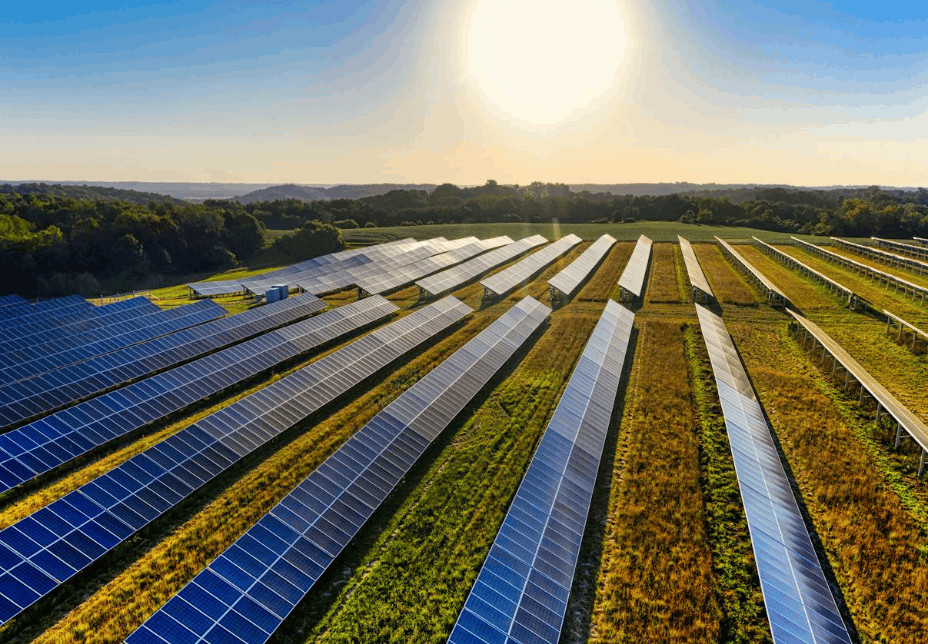
Discover new ways of generating and storing energy. What are solar farms? Solar panel farms are large-scale installations of photovoltaic (PV) panels that generate electricity from sunlight. These farms can range in size from a few acres to hundreds of acres and are typically situated in rural areas where there’s ample sunlight and land availability. In the worldwide, solar farms are becoming an increasingly popular way to generate clean and renewable energy - for powering your business and selling back to the grid.   What are the benefits of solar farms? As well as providing clean, sustainable energy, solar power farms also offer a range of other benefits. They can help to reduce greenhouse gas emissions and combat climate change, and also provide opportunities for local employment, as solar farms require maintenance and monitoring. There are a few concerns raised about their impact on biodiversity and the loss of agricultural land, so in response to this, more and more countries has introduced guidelines for solar farms, which require developers to carry out environmental impact assessments and to consider the impact on local communities.   How much do solar farms cost? The cost of building a commercial solar panel farm can vary depending on the size of the installation, the location, and the quality of the PV panels used. However, according to industry experts, the average cost of building a solar farm is around €1 million per megawatt (MW) of capacity. This means that a 50MW solar farm, which is a fairly typical size in the EU, would cost around €50 million to build. Despite the initial high cost, solar farms are considered a sound investment due to the potential long-term savings on energy costs, and the opportunity to generate revenue from the sale of excess energy back to the National Grid. Solar farms in the EU usually have a lifespan of around 25 years and can generate enough electricity to power thousands of home and businesses.  
Latest company solutions about In the intricacies of healthcare and medical systems, the importance of reliable electronic components

In the intricacies of healthcare and medical systems, the importance of reliable electronic components

​   A network core switch is an essential component of a network, typically located in the backbone or central area. It is responsible for high-capacity data transfer and plays a critical role in ensuring the smooth operation of the network. Acting as a gateway to the Wide Area Network (WAN) or the Internet, the fiber core switch facilitates connections to servers, Internet Service Providers (ISPs) through routers, and the aggregation of all other switches. To effectively handle the traffic directed to it, a core layer switch must have significant power and capacity, making it essential to be a fast, full-featured managed switch.   How Does Core Switches Work? The following sections describe how the network core switches operate in a network environment.   Network Traffic Aggregation Network core switches perform the crucial duty of aggregating network traffic from various sources, consolidating and managing it efficiently.   High-Speed Data Forwarding Core layer switches are responsible for processing and forwarding data packets rapidly and efficiently, utilizing advanced switching technologies.   Interconnectivity A core switch establishes connections between different segments and subnets within a network, enabling seamless communication and data transfer.   The aforementioned points highlight the benefits of employing a network core switch. In the event of a network failure, this equipment guarantees the reliability and integrity of data transmission by facilitating two-way data flow and enabling network self-healing. The core switch exhibits robust scalability, supporting multiple interfaces and facilitating bus network implementation. Moreover, it features an internal automatic alarm function that promptly notifies relevant personnel of any failures, ensuring timely maintenance. This convenience allows for efficient remote management and maintenance.